

PTSD Symptoms After Childbirth: What They Look Like and Why They're Not Just "Baby Blues"
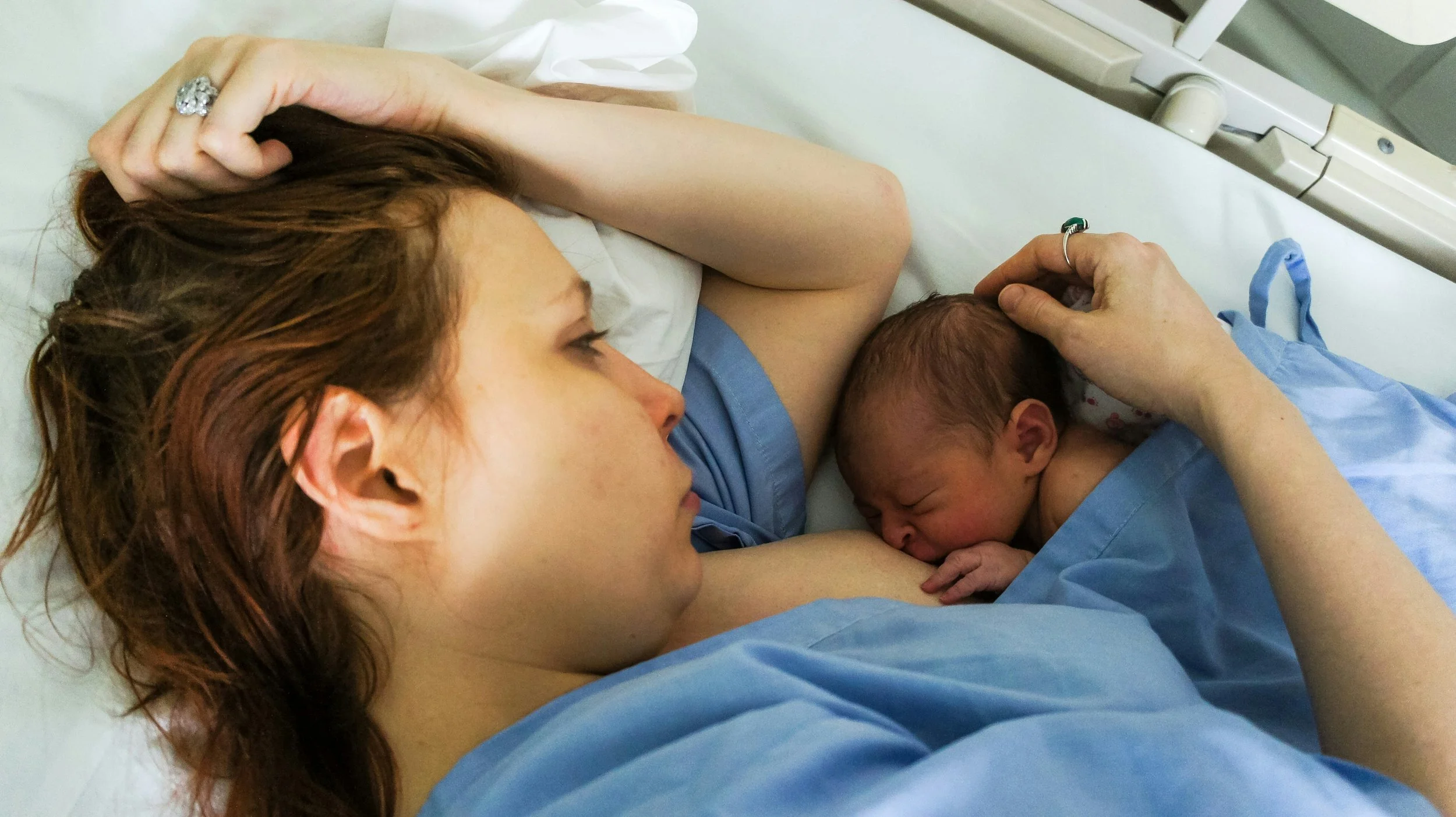
Somewhere around six weeks postpartum, the culture expects you to be recovering. The worst of it is over. You have your baby. You should, presumably, be moving toward something that looks like okay.
But for a significant number of women, something else is happening. Intrusive images from the birth. Hypervigilance that will not turn off. Difficulty sleeping even when the baby sleeps, because your body will not let you. Emotional numbing, or rage, or a disconnected quality to moments that should feel tender. These are not baby blues, and they are not simply the difficulty of new parenthood. They may be postpartum PTSD. And understanding the difference matters.
Key Takeaways
Postpartum PTSD is a distinct condition from postpartum depression or anxiety, though they can co-occur
It often follows a difficult birth experience, but can also be triggered by prior trauma reactivated during pregnancy or delivery
Symptoms include intrusive memories, hypervigilance, emotional numbing, and avoidance
Many people are screened for PPD but not for PTSD, which means postpartum PTSD is significantly underdiagnosed
Trauma-informed therapy, including EMDR, is an effective and well-researched treatment approach
What Postpartum PTSD Actually Is
PTSD occurs when a traumatic event is not fully integrated by the nervous system. The experience remains unprocessed, which means the brain and body continue responding as if the threat is still present. Intrusive memories, nightmares, hyperarousal, and avoidance are all the nervous system's attempt to protect you from something it believes has not ended.
In the postpartum context, the precipitating event is often a birth experience that felt dangerous, out of control, or deeply frightening. A birth that involved an emergency c-section, severe hemorrhage, a NICU admission, or a period where the mother or baby's life felt uncertain. But a birth does not have to be objectively dangerous to be experienced as traumatic. A birth in which someone felt unheard, unseen, or unable to consent to procedures can also leave lasting imprints.
When Prior Trauma Reactivates During Pregnancy or Birth
Not all postpartum PTSD originates with the birth. For many clients, a difficult birth reactivates trauma that existed long before pregnancy. A history of sexual trauma, medical trauma, childhood experiences of helplessness, or relational trauma can all be brought forward by the intensity and vulnerability of childbirth.
This is one reason the standard postpartum screening tools often miss it. The Edinburgh Postnatal Depression Scale asks about depression symptoms. It does not ask whether you have been having intrusive images of something that happened in the delivery room, or whether you cannot be in a medical setting without your heart rate spiking. These symptoms require different questions.
The Symptoms That Often Get Missed
Postpartum PTSD does not always announce itself clearly. Some of the symptoms that clients describe, and that are sometimes attributed to other causes:
Intrusive images or flashbacks from the birth or a particular moment in it, arriving unbidden at unexpected times
Hypervigilance that feels like it cannot turn off: checking the baby constantly, inability to sleep even when exhausted, scanning for threat in ordinary situations
Avoidance of anything that reminds you of the birth: medical settings, certain conversations, even the hospital where you delivered
Emotional numbing or a flat quality to experiences that should feel meaningful, including bonding moments with the baby
Intense physical responses to triggers: heart rate spikes, chest tightening, the urge to leave or disappear
Feeling chronically unsafe in your own body
Many clients describe pushing these symptoms down and telling themselves they should be grateful, that what happened was necessary, that others had it worse. This is a very common response. It is not a reason to delay support.
Why It Gets Confused With Postpartum Depression
Postpartum depression and postpartum PTSD can look similar from the outside, and they do co-occur. Both can involve emotional withdrawal, difficulty bonding, sleep disruption, and a sense of not being okay.
The key distinctions are in the specific nature of the symptoms. PPD tends to involve persistent low mood, loss of interest, guilt, and difficulty with daily function. Postpartum PTSD tends to involve re-experiencing (flashbacks, intrusive images), avoidance, and a nervous system that feels chronically activated or chronically shut down.
Treatment implications differ as well. While there is significant overlap in trauma-informed approaches, someone with postpartum PTSD as the primary presentation often benefits most from trauma-focused therapy, including EMDR, rather than general depression treatment alone.
What Actually Helps
The evidence base for treating postpartum PTSD is strong and includes several effective modalities.
EMDR (Eye Movement Desensitization and Reprocessing) is one of the most well-researched treatments for PTSD across populations, including the postpartum period. It works by helping the nervous system process and integrate the unprocessed traumatic memory, reducing its charge without requiring detailed verbal recounting.
Trauma-informed talk therapy, stabilization work, and somatic approaches that help regulate the nervous system are also important components of treatment. For many clients, stabilization, building a wider window of tolerance before processing the trauma directly, is an important first phase.
Perhaps most importantly: the relationship with a therapist who understands perinatal trauma, who does not minimize what happened, and who can hold the complexity of a difficult birth experience, is itself part of what heals.
What happened to you matters. The fact that the baby is healthy does not resolve what your body went through. The fact that you made it through does not mean the experience did not leave a mark. Postpartum PTSD is real, it is treatable, and you do not have to keep waiting for it to go away on its own.
Ready to Get Support?
If what you read here resonated, reaching out is a reasonable next step. Our therapists specialize in birth trauma, postpartum PTSD, and the complicated aftermath of a difficult birth experience. We offer a free consultation to help you figure out what kind of support would be most useful.
Frequently Asked Questions
How common is postpartum PTSD?
Research suggests that approximately 3 to 4 percent of women who give birth develop postpartum PTSD. Among those who experienced a complicated or traumatic birth, rates are significantly higher. Because screening tools are not consistently designed to catch it, it is likely underdiagnosed.
My birth was not that bad. Can I still have postpartum PTSD?
Yes. Trauma is not determined by the objective severity of an event but by how the nervous system experienced it. A birth in which you felt unsafe, unheard, or without agency can be traumatic regardless of the clinical outcome. Your perception of the experience matters.
How is postpartum PTSD different from birth trauma?
Birth trauma refers to the traumatic birth experience itself. Postpartum PTSD is the psychological response that can develop afterward, when the nervous system has not been able to fully integrate what happened. Not every difficult birth leads to postpartum PTSD, but for some people, it does.
I have never had trauma before. How do I know this is PTSD?
Postpartum PTSD can develop in people with no prior trauma history, though those with existing histories are at higher risk. If you are experiencing intrusive images or memories from the birth, significant hypervigilance, emotional numbing, and avoidance of reminders, those are the core symptom clusters worth discussing with a clinician.
What if I need medication in addition to therapy?
Medication can be a helpful part of treatment for postpartum PTSD, particularly if anxiety or depression is significant. This is a conversation to have with your OB or a psychiatrist who specializes in perinatal mental health. Therapy and medication are not mutually exclusive and are often most effective in combination.
About the Author
Yael Sherne is a California licensed marriage and family therapist (LMFT 128601) and the founder of Mother Nurture Therapy Group. With nearly a decade of experience and specialized training in perinatal mental health, couples therapy, and trauma, she supports individuals and couples navigating fertility, pregnancy, postpartum, and parenting.
Disclaimer
The content on this blog is for informational and educational purposes only and is not intended as a substitute for professional mental health treatment. If you are experiencing a mental health crisis, please call 988 (Suicide and Crisis Lifeline) or go to your nearest emergency room. Mother Nurture Therapy Group provides therapy services in California. For personalized support, please contact us to schedule a consultation.