

Why Drop-Off Is Harder For You Than Your Kid: The Parent's Own Separation Anxiety Nobody Talks About
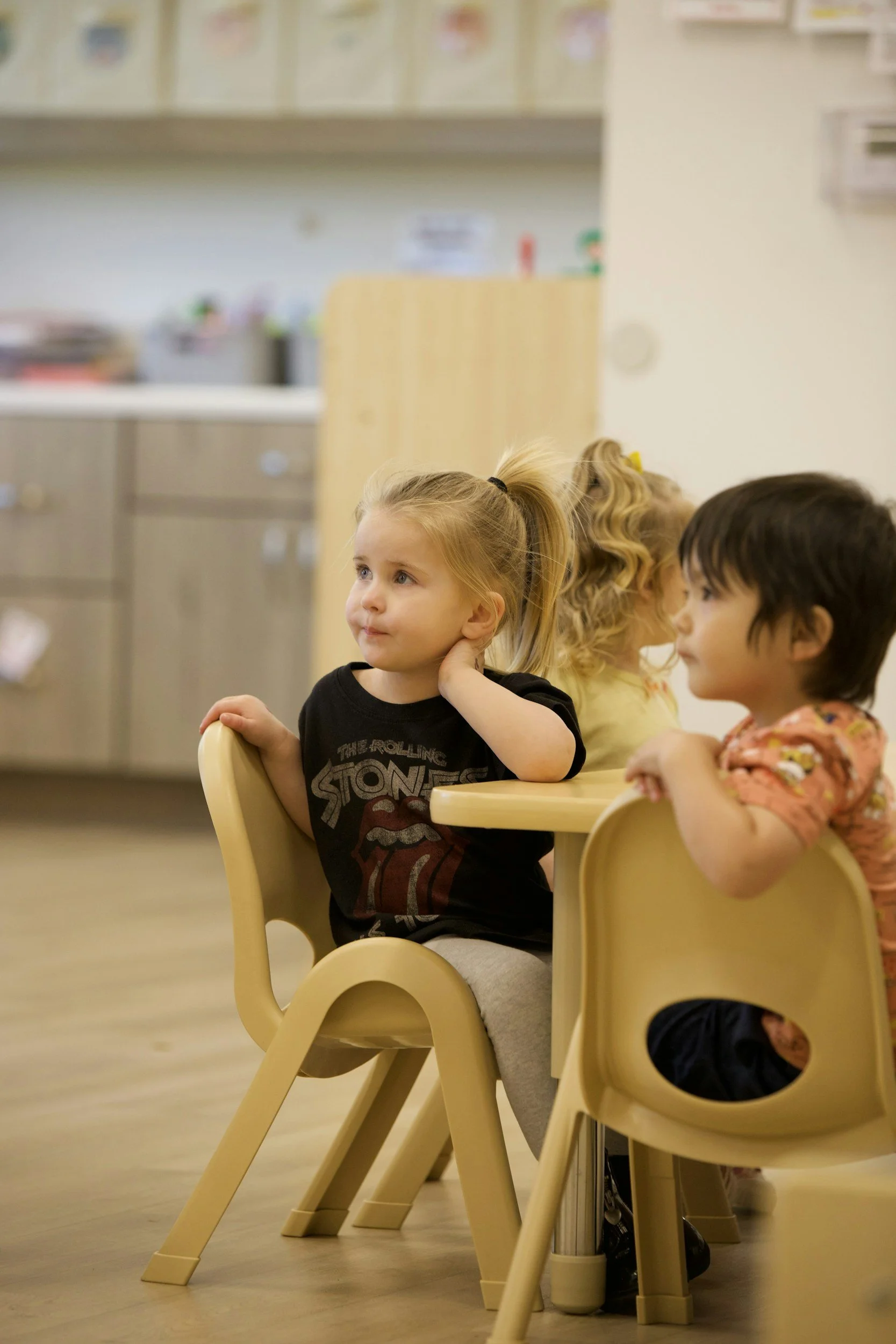
She skips through the classroom door without a backward glance. You're the one who is having a hard time walking away, looking back as you go. This is one of the surprises of back-to-school season. The child that adjusts. The parent who struggles.
We hear a version of this from many of our clients. We know this is separation anxiety, even if it’s not usually used to describe the parent. We also know this usually means something old is getting activated.
Key Takeaways
The distress you feel at drop-off is often about your own history of separation, not a signal that your child is struggling
Attachment patterns formed in your own childhood can resurface in ordinary parenting transitions
This reaction doesn't mean you're too attached, overprotective, or doing something wrong
Naming the pattern is what lets you respond to the present moment instead of an old one
Support can help you separate what belongs to your history from what belongs to your child's actual experience
When Your Kid Is Fine and You're the One Who Isn't
Most conversations about school transitions assume the child is the one who needs help adjusting. Sometimes that's true. But plenty of parents sit across from us describing a child who is thriving, making friends, excited for the bus, while they themselves are the ones who can't sleep the night before, who linger too long at dropoff, who feel a lump in their throat every morning at the classroom door.
Both things can be true at once. You can be genuinely proud of how well your child is doing and still feel stressed by watching them walk away from you. That combination isn't a contradiction. It's just what this kind of transition can look like for a parent whose own history makes this separation hard.
What's Actually Happening Underneath It
The nervous system doesn't file memories by date. A separation happening today, even a safe, brief, developmentally normal one, can reach backward and touch an earlier separation that was none of those things. Maybe it was a parent who left abruptly. Maybe it was a caregiver who was inconsistent, warm one day and unavailable the next. Maybe it was simply growing up in a house where goodbyes were never acknowledged.
When that history exists, a five-second goodbye at a classroom door can trigger something that feels wildly out of proportion to the moment. But it isn't. It’s your body responding to the distance it remembers, layered on top of the one happening now.
Why This Isn't About Being Too Attached
There's a particular kind of shame that shows up here, often delivered by a well-meaning relative or an offhand comment from another parent in the pickup line: you need to let go, you're being dramatic, kids are resilient, it's not that deep. None of that is helpful, and most of it isn't accurate.
This pattern often shows up in a relationship too, not just in a parent alone. One partner might move through drop-off without a second thought while the other is struggling to hold it together, and without context, that difference can turn into conflict instead of curiosity. If you've noticed transitions like this exposing something between you and your partner, that might be a sign to reach out for support.
Working With It, Not Against It
You don't need to eliminate the feeling to change your relationship to it. A few things help in the moment: naming it out loud to your partner or a friend before drop-off, giving yourself sixty seconds in the car afterward instead of driving off while dysregulated, noticing the sensation in your body without immediately needing to fix or explain it.
Those tools help with the mornings. They don't replace understanding where the pattern came from in the first place. You can use both. Small shifts now, and a slower, deeper look at your own history when you're ready for it.
Conclusion
The ache you feel watching your child walk away isn't proof that something's wrong. Often it's proof of what the two of you built together, and evidence of something older that deserves its own attention too. Both can be true, and neither one cancels the other out.
Ready to Get Support?
If drop-off has been harder on you than it has on your child, that's worth exploring, not powering through alone. We work with parents on exactly this kind of pattern, connecting the present-day reaction to where it actually comes from.
Frequently Asked Questions
Q: Is it normal to feel more anxious about school drop-off than my child does?
A: Yes, and it's more common than most parents expect. Children's nervous systems and adults' nervous systems process separation differently, especially when a parent carries their own history with goodbyes.
Q: Does this mean I have separation anxiety myself?
A: Not necessarily in a clinical sense. What often looks like separation anxiety in a parent is actually an old attachment pattern being reactivated by a present-day transition.
Q: How can I stop crying at drop-off?
A: You may not be able to stop the feeling immediately, and that's okay. Naming it, giving yourself a moment before driving off, and understanding where the reaction comes from all help it feel less overwhelming over time.
Q: Could this be connected to my own childhood?
A: Often, yes. Parents who experienced abrupt, inconsistent, or unacknowledged separations growing up frequently find those experiences surfacing during their own child's transitions.
Q: When should I consider getting support for this?
A: If the distress feels disproportionate to the moment, is affecting your daily functioning, or you notice it spilling into other parts of your life or relationship, it's a good time to talk with someone.
About the Author
Yael Sherne is a California licensed marriage and family therapist (LMFT 128601) and the founder of Mother Nurture Therapy Group. With nearly a decade of experience and specialized training in perinatal mental health, couples therapy, and trauma, she supports individuals and couples navigating fertility, pregnancy, postpartum, and parenting.
Disclaimer
The content on this blog is for informational and educational purposes only and is not intended as a substitute for professional mental health treatment. If you are experiencing a mental health crisis, please call 988 (Suicide & Crisis Lifeline) or go to your nearest emergency room. Mother Nurture Therapy Group provides therapy services in California. For personalized support, please contact us to schedule a consultation.