

Why Can't I Enjoy This Pregnancy? Anxiety in Pregnancy After Loss and Why Your Body Remembers
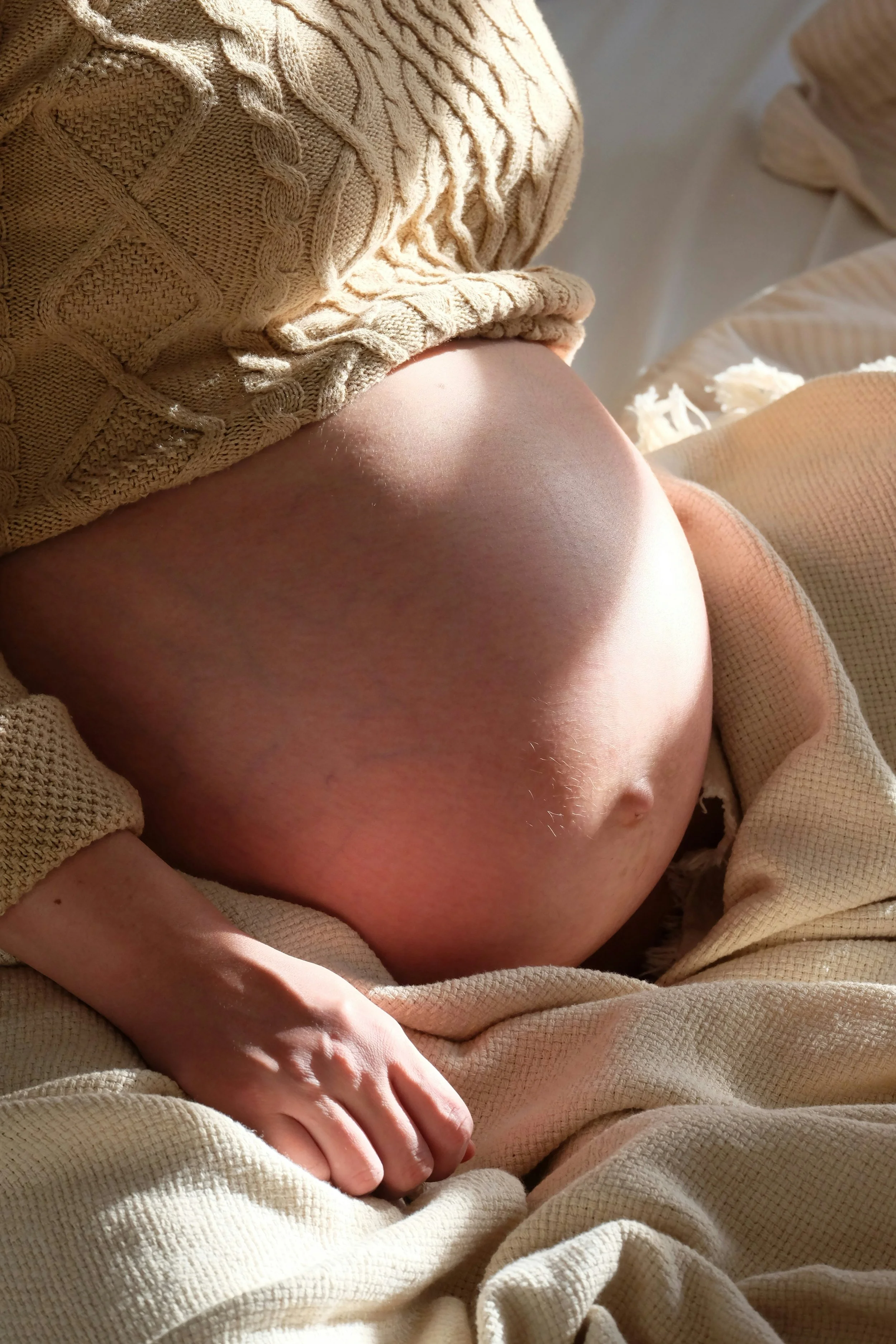
You are 14 weeks along. You still haven't told most people. Every trip to the bathroom involves a quick, frightened check. You haven't bought a single thing for the baby, and when someone asks about your due date, you say "if everything goes okay" before you can stop yourself.
You wanted this pregnancy so much. So why does it feel less like joy and more like holding your breath?
Pregnancy after loss anxiety is incredibly common, and it is rarely talked about with the honesty it deserves. Friends may expect you to be thrilled. Your provider may tell you everything looks great. And still your body stays braced. In our work with clients in Los Angeles and across California, we hear some version of this every week: "I know the numbers are good. I just can't believe it."
Key Takeaways
Anxiety in a pregnancy after loss is a predictable response to a past threat, not a lack of gratitude or faith.
Research shows anxiety tends to be higher in pregnancies that follow a perinatal loss, for both the pregnant person and their partner.
Reassurance often doesn't stick because the alarm lives in the body, not in logic.
Holding back from attaching to the pregnancy is a form of self-protection, and bonding can still grow.
EMDR and trauma-informed perinatal therapy can help your body learn that this pregnancy is not the last one.
What Pregnancy After Loss Anxiety Actually Feels Like
From the outside, it may look like you're doing fine. Inside, it can feel like waiting for a phone call you already know is coming.
Many people describe a constant scanning. Checking for blood. Pressing on their belly to feel a kick. Buying a home doppler and then feeling worse when the heartbeat is hard to find. Counting down to the week of the last loss and holding their breath until it passes, only to find a new milestone to fear.
There is often a strange loneliness in it too. Pregnancy announcements, baby showers, and nursery planning can feel off-limits, as if celebrating would be tempting fate. Some people notice anger or jealousy toward pregnant people who seem carefree, followed quickly by guilt for feeling it.
A meta-analysis in the Journal of Affective Disorders found that anxiety is significantly higher during pregnancies that follow a perinatal loss, and that partners are affected too. If this is your experience, you are in very large company.
Why Your Body Remembers Pregnancy Loss
Here is the part that helps many clients breathe a little easier. The anxiety you feel is not a thinking problem. It is a memory problem, and much of the memory lives in your body.
When something frightening happens, the brain's threat system works hard to make sure you're never caught off guard like that again. It stores the details. The smell of the clinic. The tech going quiet during the scan. The cramping that started on a Tuesday night. Later, anything that resembles those details can trigger the same alarm, often before you're even aware of it.
That's why being told "everything looks perfect" can bring relief for an hour and then wear off. Reassurance speaks to the thinking part of your brain. The alarm is coming from a deeper, faster system whose only job is survival. It isn't trying to ruin your pregnancy. It is trying to protect you from a pain it already knows.
Hypervigilance is a trauma response, not a personality flaw
In trauma-informed language, this constant watchfulness is called hypervigilance. It's what nervous systems do after something bad happened without warning. It is exhausting, and it makes complete sense.
If your previous loss involved an emergency, a surgery, or a stillbirth, the threat memories may be especially vivid. Some people experience full post-traumatic stress symptoms during a later pregnancy, including flashbacks, nightmares, and avoidance of prenatal appointments. If that sounds familiar, please know that there is effective help, and it's safe to seek it while pregnant.
Bonding With a Baby After Pregnancy Loss
Many people in a pregnancy after loss notice they're holding back. They avoid names. They don't talk to the baby. They tell themselves they'll get attached "once we're past the scary part," and then the scary part keeps moving.
This guarded attachment is protective. Part of you is trying to make sure that if the worst happens again, it won't hurt as much. That part deserves compassion, not criticism.
It also helps to know that bonding is not a test you pass or fail during pregnancy. Attachment grows over time, including after birth. You can let it grow slowly. You can say "I'm scared to love you this much" and "I already do" in the same breath. Many parents find that small rituals help, like writing one sentence to the baby each week or choosing a name you only say at home.
How Pregnancy After Loss Affects Your Relationship
Partners can experience a pregnancy after loss very differently. One partner may want to celebrate each milestone while the other refuses to talk about the future. One may feel calm and the other may feel like they are carrying all the worry for both of you.
These differences can lead to painful misunderstandings. "Why can't you just be happy?" and "Why aren't you more worried?" are two sides of the same fear. Couples who do best in a pregnancy after loss usually find a way to make room for both the hope and the dread without asking each other to give up either one. Talking about the previous loss directly, rather than around it, often helps.
How EMDR and Perinatal Therapy Help Pregnancy After Loss Anxiety
You don't have to white-knuckle your way to the delivery room. Perinatal therapy can help you feel more grounded in this pregnancy while still honoring the one you lost.
EMDR for pregnancy after loss
EMDR, or Eye Movement Desensitization and Reprocessing, is an evidence-based therapy for trauma. It helps the brain reprocess stuck memories so they lose their emotional charge. The memory stays. The alarm attached to it quiets. According to the EMDR International Association, EMDR is supported by extensive research for the treatment of trauma and PTSD.
For pregnancy after loss anxiety, EMDR might target the moment you learned about the loss, the hospital experience, or the specific triggers that keep firing now, like ultrasounds. Many clients notice that appointments become more manageable, and that they can begin to hope without feeling like hope is dangerous. Our team includes therapists trained in EMDR, and it can be used safely during pregnancy.
Other ways therapy helps
Perinatal therapy can also include:
Planning ahead for high-anxiety moments like scans, the anniversary of your loss, or the gestational week when it happened.
Body-based tools for calming the alarm in real time, like grounding through your senses or slowing your exhale.
Space to grieve the previous pregnancy without feeling disloyal to this one.
Preparing for birth and postpartum, since anxiety after loss doesn't always end at delivery.
Hope and Fear Can Share the Same Body
If you can't enjoy this pregnancy the way you imagined, nothing is wrong with you. Your body learned something terrible, and it's doing its best to keep you safe. You can be scared and hopeful. You can love this baby while still grieving the one before. With support, the alarm can quiet enough to let some joy back in. Not all at once, and not perfectly. But you may find yourself buying one small thing, saying the name out loud, and noticing that this time your breath doesn't catch.
Ready to Get Support?
If anxiety is making this pregnancy feel more like survival than anticipation, we'd love to help. Our perinatal therapists specialize in pregnancy after loss, birth trauma, and EMDR. We offer sessions in Los Angeles and via telehealth across California.
Frequently Asked Questions
Q: Is it normal to have anxiety during pregnancy after a miscarriage?
A: Yes. Anxiety is very common in pregnancies that follow a loss. Research shows anxiety tends to be higher in these pregnancies, and it often eases with support.
Q: Why doesn't reassurance from my doctor help my anxiety?
A: Reassurance speaks to the thinking part of the brain, while anxiety after loss often comes from the body's threat response. Trauma-informed therapy works with that deeper response.
Q: Is EMDR safe during pregnancy?
A: EMDR is widely used during pregnancy and does not involve medication. As with any treatment, discuss your specific situation with your therapist and medical provider.
Q: How do I bond with my baby during a pregnancy after loss?
A: Bonding can grow slowly and continues after birth. Small rituals, like talking to the baby or writing short notes, can help, and holding back is a normal protective response.
Q: Do you offer therapy for pregnancy after loss in Los Angeles?
A: Yes. Mother Nurture Therapy Group offers perinatal therapy for pregnancy after loss in Los Angeles and via telehealth throughout California.
About the Author
Yael Sherne is a California licensed marriage and family therapist (LMFT 128601) and the founder of Mother Nurture Therapy Group. With nearly a decade of experience and specialized training in perinatal mental health, couples therapy, and trauma, she supports individuals and couples navigating fertility, pregnancy, postpartum, and parenting.
Disclaimer
The content on this blog is for informational and educational purposes only and is not intended as a substitute for professional mental health treatment. If you are experiencing a mental health crisis, please call 988 (Suicide & Crisis Lifeline) or go to your nearest emergency room. Mother Nurture Therapy Group provides therapy services in California. For personalized support, please contact us to schedule a consultation.