



Postpartum OCD Therapy in Los Angeles
When the scary thoughts change your experience of motherhood.
Specialized therapy for perinatal OCD and unwanted intrusive thoughts during pregnancy and after birth.
•
In Hermosa Beach, Culver City & West Los Angeles
•
Online across California
• In Hermosa Beach, Culver City & West Los Angeles • Online across California
When Your Mind Feels Out of Your Control
It often appears quickly, but then your mind can’t let go. What if I drop the baby on the stairs? What if I hurt her? You check the monitor again and again, avoid bathing the baby alone, put the kitchen knives away, or ask your partner for reassurance until you feel embarrassed to ask again. Underneath it all is a fear you can barely say out loud: do these thoughts make me a bad mother?
They don't. Unwanted, upsetting thoughts are very common after having a baby, and in postpartum OCD they stick precisely because they go against everything you care about.
At Mother Nurture Therapy Group, we help parents understand what's happening, step out of the cycle of checking and avoiding, and feel safe with their baby and their own minds again.



Postpartum OCD looks different for everyone.
You might notice
Sudden, unwanted thoughts or images of harm coming to your baby
Fear that you might hurt your baby, even though you don't want to
Checking on your baby over and over, including while they sleep
Avoiding bathing, changing, or being alone with your baby
Seeking reassurance from your partner, doctor, or the internet
Mental rituals, like praying, counting, or replacing a thought
Intense fear of germs, contamination, or illness
Shame or secrecy about what's going on in your head
If you ever feel you might act on a thought, or if you or a loved one notices confusion, hallucinations, or beliefs that don’t match reality, call 911 or go to the nearest emergency room. You can also call or text 988.

We know these thoughts are frightening, and we know they're also very treatable. With the right support, you can start to enjoy motherhood again.
how we can help
We offer specialized, judgment-free care for perinatal OCD.
Many parents with postpartum OCD wait months to tell anyone because they're afraid of how the thoughts will sound. In our first sessions, you can say them out loud to someone who understands them and won't be shocked. Just naming what's happening often brings some relief.
From there, we use evidence-based treatment for OCD, like exposure and response prevention (ERP) and Cognitive Behavioral Therapy (CBT). Together, we help you gradually and supportively face the thoughts and situations you've been avoiding, without checking, avoiding, or seeking reassurance. Over time, your brain learns the thoughts aren't dangerous, and they tend to come less often and bother you less.
We also look at what's making this season harder: sleep loss, a difficult birth, a history of anxiety, or a partner who wants to help but doesn't know how. Partners are welcome to join a session. If medication might help, we coordinate with your OB or a perinatal psychiatrist with your consent.

Therapy for postpartum OCD can help you
Understand what intrusive thoughts are, and what they aren't
Spend less time checking, avoiding, and seeking reassurance
Feel comfortable being alone with your baby again
Let go of the shame and secrecy
Enjoy more ordinary moments with your baby
Help your partner support you in ways that actually help
Sleep and rest without constant scanning for danger
Feel more like yourself again
Areas We Support
-

Intrusive Thoughts About Harming Your Baby
Unwanted thoughts or images of hurting your baby, and the fear of what they might mean
-

Fear of Accidental Harm
Constant worry about SIDS, choking, dropping the baby, or missing something important
-

Checking & Reassurance-Seeking
Rechecking the monitor, the locks, or the bottle, and asking others to tell you it's okay
-

Contamination & Germ Fears
Intense fear of germs, illness, or chemicals, and the cleaning or avoiding that follows
-

OCD During Pregnancy
Intrusive thoughts and rituals that start or get worse before the baby arrives
-

Postpartum OCD with Depression
When OCD and low mood show up together and everything feels heavier
-
Postpartum OCD with Anxiety
When worry spreads beyond the intrusive thoughts into everything else
-

When OCD Strains Your Relationship
Reassurance loops, avoidance, and how partners can help without feeding the cycle
-
OCD After Birth Trauma or Loss
When a frightening birth or a past loss makes the fear of harm feel even more real
Who You’ll See
-

Yael Sherne
Founder & Clinical Director,
Licensed Marriage & Family TherapistTrained in ERP for OCD, EMDR and perinatal mental health
-

Sarah Bederman
Associate Marriage & Family Therapist
Trained in EMDR and Perinatal Mental Health Certified
-
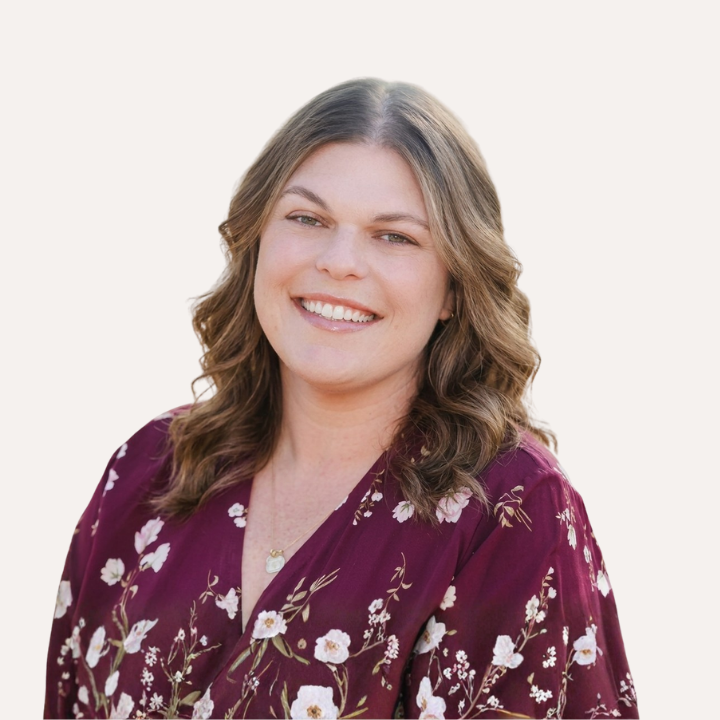
Brooke Friedberg
Associate Marriage & Family Therapist, Associate Professional Clinical Counselor
Additional training in perinatal mental health

GETTING STARTED
Schedule a free call
Share what’s going on and your goals for therapy. Our Care Coordinator will thoughtfully match you with the right therapist, schedule your first session, and set up your secure client portal.
Begin care
In your first session, you’ll share your story, why you’re here, and what you hope will feel different. Together, we’ll start building a path forward.
Heal at the roots
You’ll get practical tools to use right away while we begin connecting the dots from your past to integrate lasting change. Steadiness, connection, and trust in yourself start becoming your new normal.
Prefer in-person or online?
We offer postpartum OCD therapy in person in Hermosa Beach, Culver City, and West Los Angeles, and via telehealth throughout California.
FAQs
-
Yes. Most new parents have unwanted thoughts about something bad happening to their baby. They become a problem when they're frequent, very upsetting, or lead to checking, avoiding, or reassurance-seeking that starts to take over your day.
-
Postpartum OCD is obsessive-compulsive disorder that starts or gets worse during pregnancy or after birth. It usually involves intrusive thoughts or images about harm coming to the baby, along with checking, avoiding, or mental rituals to try to make the fear go away.
-
No. In OCD, the thoughts are unwanted and go against who you are, which is why they're so upsetting. Parents with postpartum OCD are often the most careful parents around, and the thoughts themselves aren't a sign that you want to act on them.
-
With postpartum OCD, you know the thoughts don't make sense and they frighten you. Postpartum psychosis is rare and is a medical emergency. It can include confusion, hallucinations, or beliefs that seem real but aren't. If you or a loved one notices signs of psychosis, call 911 or go to the nearest emergency room.
-
Postpartum OCD is very treatable. We use exposure and response prevention (ERP), a form of CBT that helps you gradually face the thoughts and situations you've been avoiding, without checking or seeking reassurance, so they come less often and bother you less. For some parents, medication also helps, and we coordinate with your OB or a perinatal psychiatrist with your consent.
-
That's a question for your OB or a perinatal psychiatrist, who can weigh the options with you. Many medications are considered compatible with breastfeeding. We're happy to refer you and coordinate care.
-
Partners often want to help by reassuring, but reassurance can keep the cycle going. Partners can join a session to learn how to support you in a way that actually helps, and how to talk about the thoughts without fear.
-
Yes. Video sessions are available anywhere in California, which can make it easier to get support from home in the early months.
-
Mother Nurture Therapy Group offers therapy for postpartum and perinatal OCD at our offices in Hermosa Beach, Culver City, and West LA, and by telehealth anywhere in California. Our founder, Yael Sherne, LMFT, is trained in exposure and response prevention (ERP) for OCD, and our team includes a certified perinatal mental health specialist (PMH-C).
-
As a private-pay practice, our rates reflect each clinician's specialized training and the time we invest in your care. We provide superbills for possible out-of-network reimbursement, and you can find current rates on our FAQ page.
-
Book a free 15-minute consultation. Our Care Coordinator will talk through what you're looking for, match you with the right therapist and office, and schedule your first session.
